
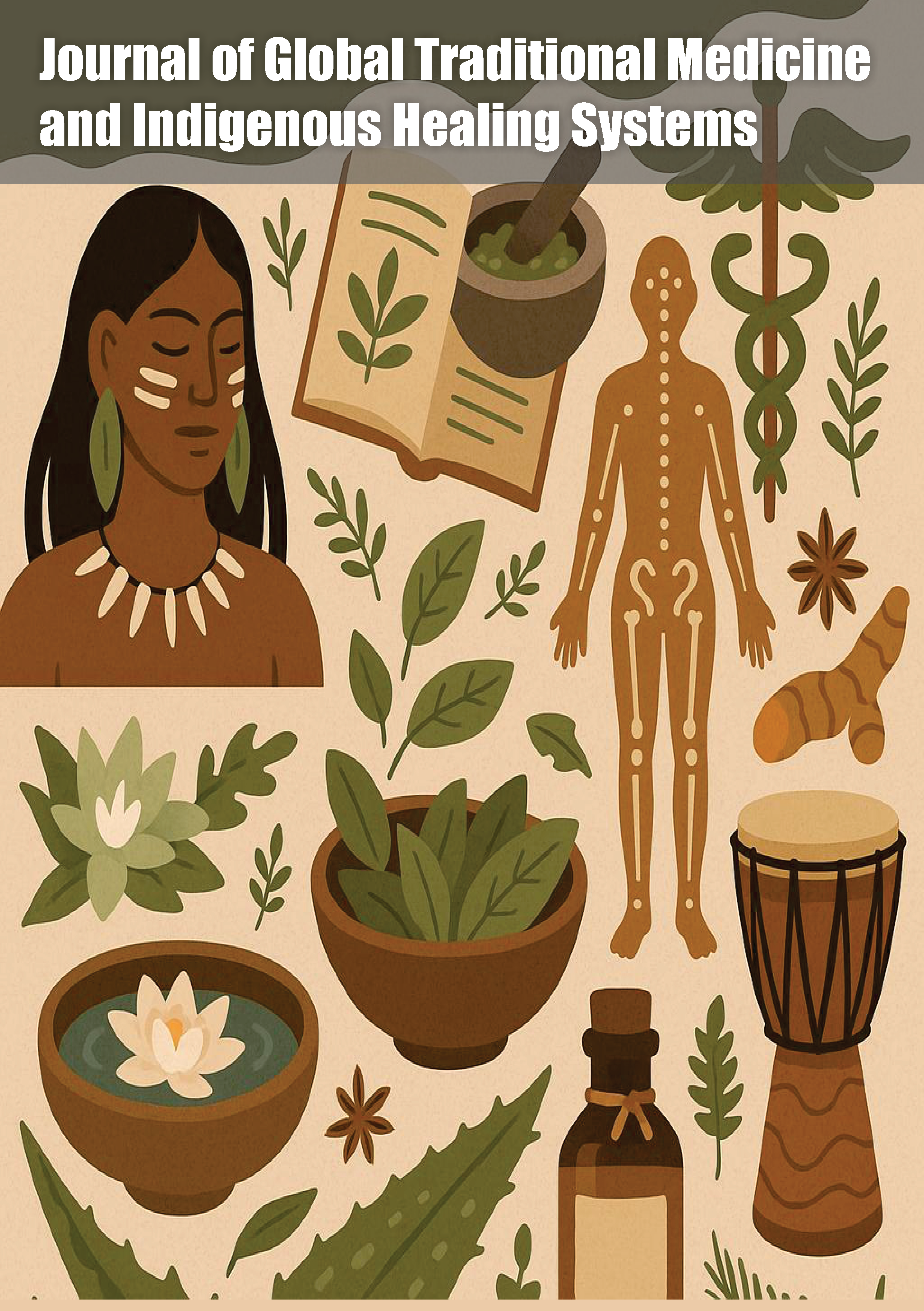
Journal of Global Traditional Medicine and Indigenous Healing Systems
Aim and Scope
The Journal of Global Traditional Medicine and Indigenous Healing Systems publishes original research, reviews, and applied studies that document, evaluate, and contextualise traditional medicine practices and indigenous healing systems. It seeks to connect cultural knowledge with modern research methods to preserve, validate, and integrate these practices into broader health frameworks.
Its scope reflects the value of indigenous knowledge for healthcare, biodiversity conservation, and cultural heritage. The journal encourages submissions that respect the rights of indigenous communities, acknowledge intellectual property, and promote sustainable resource use.
Key areas of interest include:
- Ethnopharmacology: Study of medicinal plants, preparation methods, and bioactive compounds.
- Clinical Evaluation: Trials and observational studies assessing safety, efficacy, and dosage of traditional therapies.
- Medical Anthropology: Cultural beliefs, health-seeking behaviours, and practitioner-patient relationships in traditional contexts.
- Integrative Medicine: Models combining conventional medicine with traditional or complementary approaches.
- Conservation and Sustainability: Protection of medicinal plant species, cultivation practices, and ecosystem preservation.
- Policy and Regulation: National and international frameworks governing traditional medicine use and trade.
- Intellectual Property Rights: Legal protections for indigenous knowledge and fair benefit-sharing mechanisms.
- Education and Knowledge Transmission: Methods for preserving and teaching traditional healing knowledge within communities.
- Ethics and Collaboration: Guidelines for respectful and equitable research partnerships with indigenous peoples.
The journal accepts interdisciplinary research that bridges botany, pharmacology, anthropology, and public health. Contributions from all regions are welcome, especially those providing primary documentation of underreported healing systems.
Authors are expected to define research objectives clearly, follow ethical protocols, and discuss the broader significance of their findings for healthcare and cultural preservation.