
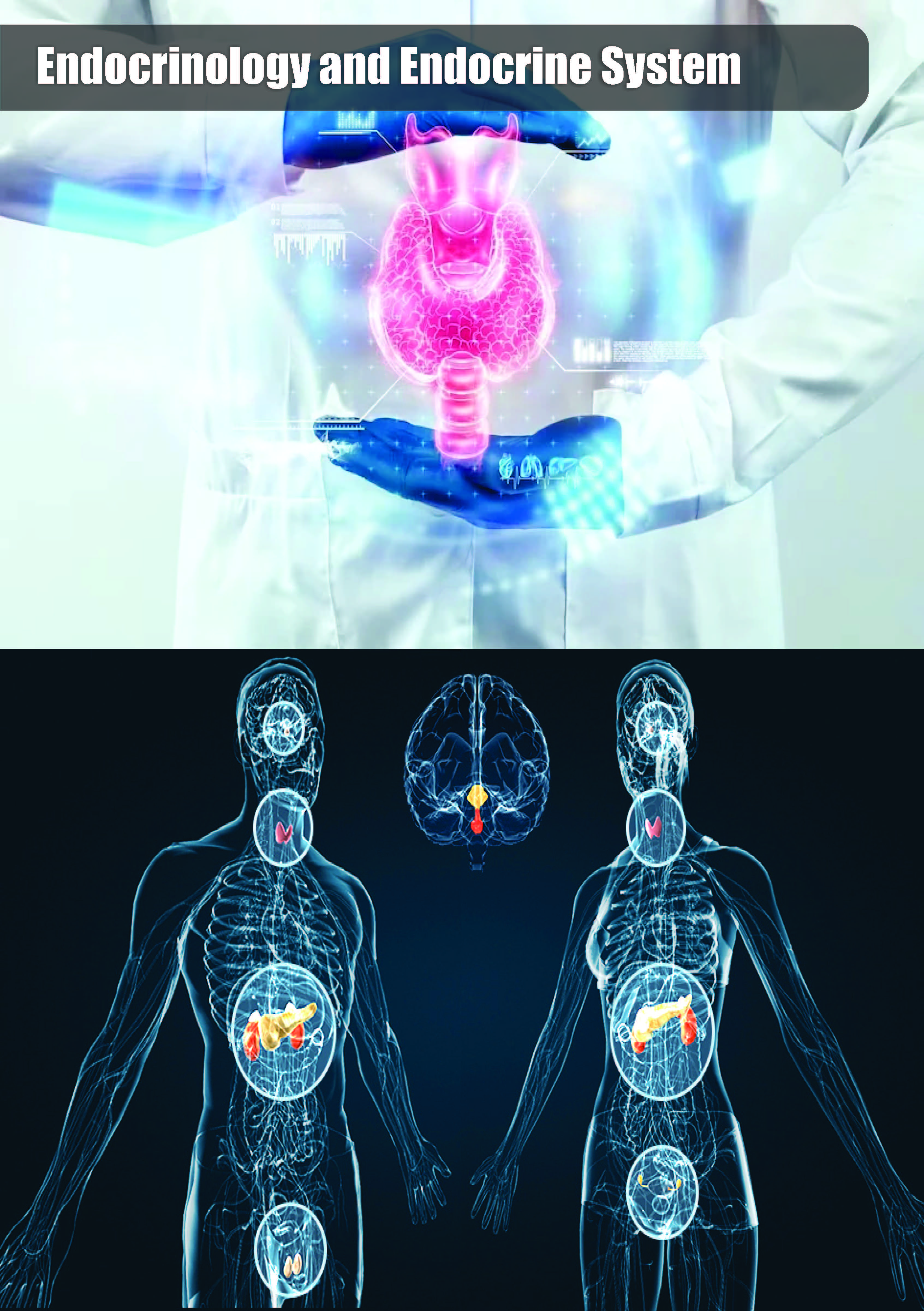
Endocrinology and Endocrine System
Duration of Reproductive Period and Metabolic Syndrome and its Components: Findings from the Henan Rural Cohort Study in Menopausal Women
Abstract
Zhen Du, Yanbo Wang, Bing Zhao, Xueyan Wu, Huili Yang, Wei Liao, Ze Hu, Jing Yang, Xiaokang Dong, Hongfei Zhao, Xiaotian Liu and Chongjian Wang
Purpose The main purpose of this study was to examine the association between the duration of the reproductive period and metabolic syndrome (MetS) as well as its individual components within a rural population.
Methods In all, 14596 menopausal women were enrolled from the Henan Rural Cohort study. Logistic regression and linear regression were used to evaluate the association between the duration of reproductive period and MetS and its components. Furthermore, the mediation and interaction effects were assessed by the utilization of mediation analyses and generalized linear model techniques.
Results Each year of increased reproductive period correlated with an increased risk of MetS (P < 0.05). This association changed slightly after adjusting for body mass index (BMI) and remained statistically significant A positive association between the duration of reproductive period and central obesity, abnormal FPG, abnormal BP, abnormal TG, and abnormal HDL-C were revealed (all P < 0.05). The relationship with abnormal and abnormal TG were attenuated after adjusting for BMI and remained statistically significant except for central obesity, abnormal BP and abnormal HDL-C. In addition, BMI mediated the relationship between the duration of reproductive period and MetS and its components.
Conclusions The longer duration of reproductive period might raise a woman’s risk of MetS and its components. More importantly,the association was largely mediated by BMI.